
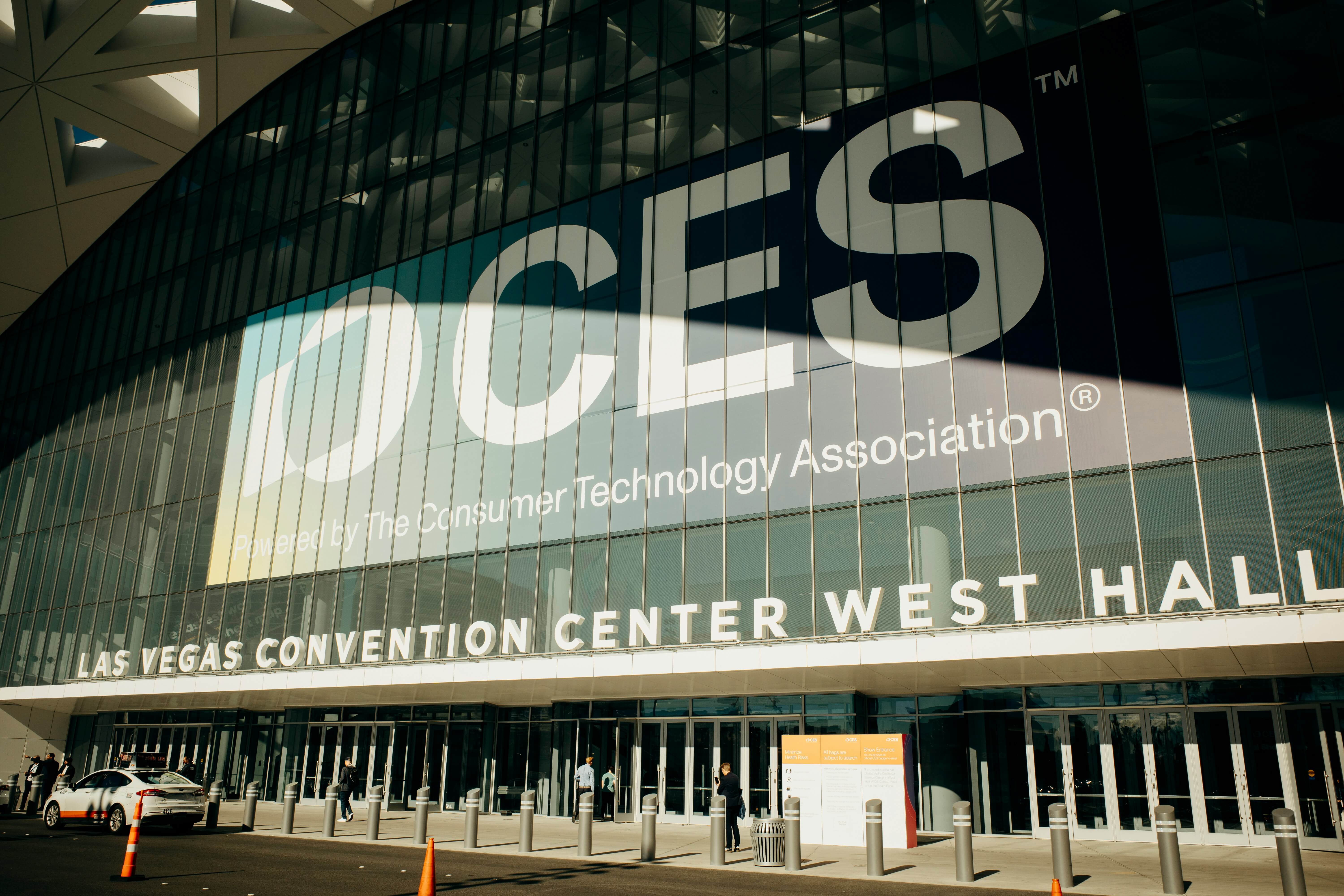
I recently attended the Consumer Technology Association’s annual trade show (CES 2026) and was excited to hear so many leaders discussing the convergence of brand, media, commerce, and experience.
What seemed to me CES’s defining message, articulated across panels from retail giants to technology futurists, was that these disciplines are no longer distinct – more and more, the brightest minds see them as a single system.
The significance of omnichannel customer experience (or CX) is top of mind, namely the shift from disconnected touchpoints to continuous customer journeys.
Insights from CES 2026: The New Reality of Omnichannel
In discussions related to omnichannel strategies, three major themes emerged.
Brand, Commerce, and Media Are Collapsing Into One Operating System
An Adweek House panel, "Brand Media Meets Commerce Momentum," reinforced what I’ve been witnessing when it comes to retail media. Namely, brands can no longer focus exclusively on driving awareness (i.e., presale visibility).
Their responsibility has increasingly expanded to include driving that final transaction moment, regardless of channel. Even this last step in the customer journey has rapidly changed with the predominance of frictionless payments (Apple Pay, Google Pay, one-click checkout), making it harder for retailers to stand out.
The onus is on brands to become indispensable partners, serving as discovery engines, trusted advisors, and curators of unique experiential retail.
The Traditional Marketing Funnel Is Becoming Less Useful
Modern consumer behavior is decidedly nonlinear, as executives from Keurig Dr Pepper, Dick's Sporting Goods, and Hilton shared at the Brand Innovators "2026 Media Innovation Outlook" panel.
Today’s shoppers move fluidly between inspiration, research, validation, and purchase. For this reason, the future belongs to organizations that design one continuous system to address the reality of omnichannel customer experience.
This means brands must fully align messaging outside of the store with in-store experiences, as well as analytics (data, targeting, and measurement). Similarly, the long-standing separation between brand advertising and performance marketing was rightly called out as "artificial and counterproductive."
Physical Retail Is Essential
I appreciated that The Female Quotient panel "Omnichannel Without Limits" highlighted the importance of in-store retail, which is expected to become a growing focus for retail media spend in 2026 (I am also seeing this rapid growth in my capacity at Rockbot).
Featuring leaders from Walmart Connect, Roku, NBCUniversal, and Chase Media Solutions, the panel reminded us that over two-thirds of all sales still happen in stores and that younger consumers are increasingly returning to physical retail.
Brick-and-mortar stores are shifting beyond mere points of sale to focus on experience-based environments that offer a memorable and relevant CX. Even Gen Z is prioritizing store visits, as Best Buy CEO Corie Barry noted in her “Innovation with Purpose” keynote.
Indeed, 61% of this generation prefer to discover new products in-store, perhaps in pursuit of more instant gratification than is available through online shopping.
Key Trends Shaping Customer Engagement Strategies
What works to engage customers is rapidly evolving – the following four primary themes caught my attention at CES 2026:
Personalization Should Be Relevant, Not Just Customized
Personalization that misses the mark is worse than none at all. Leaders from IBM, DoorDash, CVS Media Exchange, and Amazon shared stories at the above-mentioned Adweek House panel on brand about the danger of poorly targeted "personalized" ads that destroy trust immediately.
What is relevant to today’s shopper? According to panelists, relevance is not about demographics – it’s more nuanced.
Personalization should be contextual, moment-based, and help shoppers solve problems. Further, hyper-personalization that is not contextual comes off as creepy, as The Female Quotient panel on omnichannel customer experience confirmed.
Suffice to say, when relevance improves customer experience, personalization becomes a value-add and not a risk.
AI is an Operating Layer, Not a Replacement for Human Judgment
Not surprisingly, AI was a major topic of conversation at nearly every panel I attended. The Adweek brand panelist advocated for AI embedded as decision-support (i.e., for reporting, insights, and optimization). AI was also recommended for personalization engines and campaign automation with strong caution against letting AI "think for us."
"AI washing" is over – in other words, AI earns its place only through measurable business value, not novelty, as speakers at the Brand Innovators’ Innovation Outlook asserted.
On a related note, Home Depot CMO Molly Battin shared that "AI can unlock efficiency and creativity only after complexity is removed. AI amplifies clarity; it exposes chaos" at Omnicom’s "Built to Work Together" session.
This is to say, AI is no longer being touted as unquestionably useful – thoughtful application and analysis are critical. Technology futurist Shelly Palmer at the same panel observed that unlocking AI's value required the tool’s pairing with human intent, creativity, and accountability.
Solutions Plus Inspiration Outperform Promotions
Messaging that is solution-based and inspirational outperforms pure promotion, according to retail and commerce platform data presented at Adweek House’s brand session.
This is especially true off-app (i.e., when consumers interact with a brand’s app outside the app itself) and upstream of purchase (via TikTok Shop, creators, and affiliates, for example) before shoppers enter a physical retail location.
Winning customer engagement strategies focus on significant life moments, for example, gifting, last-minute needs, or family planning. They prioritize problems to be solved over pushing specific products. My key takeaway from the panel was that today’s consumers buy ideas and outcomes, not SKUs.
Trust Grows Through People, Not Platforms
Social media platforms should be considered potential sources of inspiration, rather than mere conversion tools. As leaders from Wyndham, Genius, Land O'Lakes, and Yahoo discussed at The Female Quotient’s event, "Influence Playbook: How Storytelling Moves Markets," truly authentic storytelling (a narrative that is founder-led and creator-driven) builds trust and speeds up shopper consideration.
Two Brand Innovators panels expanded on the significance of trust. More and more, brand’s employees and creators are the brand, because people trust other people more than they do companies, an idea speakers at "Evolution of Brand Experiences" explored.
Content quality remains one of the strongest drivers of ROI – up to 50% for some brands – as experts speaking at "2026 Media Innovation Outlook" reaffirmed. As a provider of top-quality in-store content experiences for some of the largest brands, our team at Rockbot appreciates seeing this success happen first-hand.
Creating a Seamless Shopping Experience
Several themes emerged at the CES around omnichannel journeys and customer experience – in short, modern consumers respond to a seamless shopping experience.
Customer-Centricity Requires Breaking Internal Silos First
Home Depot CMO Molly Battin emphasized that real customer-centricity starts inside an organization at the aforementioned Omnicom panel. As she shared, roughly 80% of Home Depot shopping journeys now begin online, even though most purchases still occur in-store.
Consumers arrive seeking inspiration, guidance, and trust, often before they know exactly what they need. As Battin sees it, the brand is responsible for reducing friction across the entire omnichannel (problem-solving) customer journey, from discovery onwards – to purchase and repeat engagement.
Home Depot has spent the past year dismantling channel silos between online, in-store, and marketing teams. The goal? To make an understanding of customers across all touchpoints (including media, site, store, and service) a foundational part of the brand’s approach.
Battin made a strong case – as she observed, brands cannot deliver seamless experiences externally if internal silos divide teams.
Simplification Fuels Scale
Battin described key changes Home Depot explored. As an example, the team reduced campaign timelines from roughly 13 weeks to 3 weeks, and cut campaign "touch points" from around 30 people to 3. Whereas in some cases legacy technology stymies speed and scale, Battin argued that outdated processes can be just as detrimental to team success.
She described a willingness to challenge long-held assumptions, a "no sacred cows" philosophy. Brands should be asking why campaigns take as long as they do or require so many approvals. Where are efforts best spent?
In other words, teams must be empowered to rethink every step in the processes that impact customer experience.
Omnichannel Is Purpose-Built, Not "Everywhere"
CES panelists were critical of the idea that omnichannel should connote indiscriminate reach. According to Kristina Shepard, Executive Vice President at NBCUniversal, and fellow panelists in The Female Quotient’s session on consumers, the omnichannel CX of today is about meeting consumers in whatever context they're in, with messaging that aligns to the shopper’s mindset and intent.
Unlike marketers, consumers don’t think in terms of what they’re viewing on channels or platforms – when it comes to shopping, consumers are driven by their needs and are moved by the right content at the best moment.
Every channel can and should play a distinct role in the consumer journey. This includes strategic use of CTV, streaming, retail, financial apps, and in-store experience.
Mapping Omnichannel Journeys and Customer Experience
I attended several panels focused on the new reality of customer experience – namely, it is more expansive and nuanced than traditional models have accounted for.
Experience Begins Before Purchase – and Never Ends
CX begins long before (and extends well beyond) conversion, with different influences depending on the industry. At the Brand Innovators panel, "Evolution of Brand Experiences," panelists agreed that we can no longer think of customer experience as a post-purchase concept.
According to Land O'Frost CCO Saverio Spontella, in retail media environments, successful brands build confidence before purchase - other key factors that follow include considerations like product taste, packaging clarity, and nutritional information.
Jake Schneider, SVP of Marketing & Brand at Gold's Gym, framed customer experience in his industry as an emotional arc – what begins as an intention (i.e., "this is the year I’ll get in shape") often intersects with moments of doubt and even dropout.
Bess Montecalvo, a Global Vice President at Hyatt, emphasized the importance of emotion and environment, such that the full guest journey includes pre-arrival expectations and in-stay details, as well as how guests feel after they leave.
Each panelist seemed to reaffirm that CX is cumulative – every interaction matters, as it either builds or damages confidence.
Balancing Online and Offline Seamlessly
In 2025, streaming surpassed broadcast and cable in viewership. This is reshaping media investment priorities in this year's omnichannel strategies.
In The Female Quotient panel, Roku's Vice President of Global Ad Sales and Partnerships, Lauren Benedict, discussed the evolution of streaming media, from a linear replacement for other content to a dynamic, interactive, and commerce-enabled environment.
Both Benedict and Kristina Shepard of NBCUniversal discussed the significance of IP, creators, and culture in fueling omnichannel impact. In-person fan-centric activations like BravoCon were offered as an example of experiential environments that successfully integrate entertainment and commerce.
Measurement, Execution, and the Path Forward
Across CES panels, I noticed a recurrent theme: Brands must stop judging success solely based on immediate sales. Instead, teams should focus on understanding whether marketing efforts are truly moving customers closer to a purchase, building brand awareness, or creating loyalty over time.
The challenge? Many companies still measure their online campaigns differently from their in-store efforts, using different customer data for each. Without connecting these pieces, it's nearly impossible to know what's actually working.
The most successful brands are shifting toward real-time insights that help them adjust strategies on the fly – and they're learning to explain marketing results in terms business leaders care about: revenue growth, customer retention, and market share.
2026: The Year of Execution
If I had to put CES insights into a single thought, I’d say the time for testing is over. Brands that execute well will surpass those still running pilots.
When it comes to omnichannel success, here’s what winners will do differently this year:
-
Break down internal barriers between online, in-store, and marketing teams to create truly seamless customer experiences
-
Earn trust through value exchange, giving customers clear benefits in return for their time and information
-
Use AI as a tool, not a replacement for human creativity and strategic thinking
-
Remember that every interaction matters, since each touchpoint either strengthens or weakens the customer relationship
-
Track what actually matters, especially customer lifetime value and repeat business, not just clicks and impressions
Today's customers expect experiences that flow naturally – from online browsing to in-store shopping to post-purchase follow-up.
Creating these journeys requires technology that connects touchpoints – especially what happens in-location. In other words, brands need in-store music that sets the right mood, digital displays that provide helpful information, and messaging that feels relevant in the moment.
Ready to create better customer experiences in your physical locations? Rockbot powers in-store media for nearly 50,000 locations, helping leading brands connect with customers through retail media, digital signage, music, audio messaging, and TV – custom solutions that work even better together. Talk with our team to learn more.
This article summarizes insights from CES 2026, including sessions from Adweek House, Brand Innovators Marketing Leadership Summit, The Female Quotient, and Omnicom.