---
title: Tips & Best Practices for Effective Digital Menu Boards | Rockbot
description: Explore essential tips and best practices for designing digital menu boards that boost customer experience.
image: https://blog.rockbot.com/hubfs/Screenshot%202025-12-12%20at%2010.50.21%20AM.png
---
[](https://rockbot.com)
- Products
## Audio
Control everything customers hear in your business
- [ Music Deliver your ideal sound](https://rockbot.com/music-for-business)
- [ Audio Messaging Amplify your brand’s voice](https://rockbot.com/audio-messaging)
- [ Rockbot Request Let guests be the DJ](https://rockbot.com/request)
## [Retail Media Monetize your in‑store media with audio and visual ads Learn More](https://rockbot.com/retail-media)
## Video
Manage all aspects of visual media in your business
- [ Digital Signage Bring your location to life](https://rockbot.com/digital-signage-for-business)
- [ Rockbot TV Captivate your audience](https://rockbot.com/tv-for-business)
- [ Music Videos Top artists on your screens](https://rockbot.com/music-videos)
## [Advertise with us Reach your audience through premium, out-of-home multi-media ads Learn More](https://rockbot.com/advertising)
## [Media Players & Devices Power your business media with reliable, scalable hardware Explore](https://rockbot.com/hardware)
- Industries
## Industries
Smarter media solutions built for your business
- [Retail](https://rockbot.com/retail)
- [Restaurants](https://rockbot.com/restaurants)
- [Fitness](https://rockbot.com/fitness)
- [Automotive](https://rockbot.com/automotive)
- [Bars](https://rockbot.com/bars)
- [Casinos](https://rockbot.com/casinos)
- [Corporate Offices](https://rockbot.com/corporate-offices)
- [Education](https://rockbot.com/education)
- [Entertainment Venues](https://rockbot.com/entertainment-venues)
- [Financial Services](https://rockbot.com/financial-services)
- [Grocery](https://rockbot.com/grocery)
- [Healthcare](https://rockbot.com/healthcare)
- [Hospitality](https://rockbot.com/hospitality)
- [Property Management](https://rockbot.com/property-management)
- [QSR](https://rockbot.com/qsr)
- [Salon & Spa](https://rockbot.com/salon-and-spa)
- Resources
## Explore Rockbot
Stories, insights, and the team behind the platform
- [Customer Stories](https://rockbot.com/customer-stories)
- [Rockbot Blog](https://blog.rockbot.com/)
- [About Us](https://rockbot.com/about-us)
## Getting Started
Everything you need to get started
- [Hardware Setup](https://rockbot.com/hardware/setup)
- [Quick Start Guides](https://support.rockbot.com/hc/en-us/sections/7705718076571)
- [Help & Support](https://support.rockbot.com/hc/en-us)
- [Developer Portal](https://developer.rockbot.com/)
- [Pricing](https://rockbot.com/pricing)
[Login](https://rockbot.com/login) [Contact Sales](https://rockbot.com/contact-sales)
[Login](https://rockbot.com/login) [Contact Sales](https://rockbot.com/contact-sales)
- Products
## Audio
Control everything customers hear in your business
- [ Music Deliver your ideal sound](https://rockbot.com/music-for-business)
- [ Audio Messaging Amplify your brand’s voice](https://rockbot.com/audio-messaging)
- [ Rockbot Request Let guests be the DJ](https://rockbot.com/request)
## [Retail Media Monetize your in‑store media with audio and visual ads Learn More](https://rockbot.com/retail-media)
## Video
Manage all aspects of visual media in your business
- [ Digital Signage Bring your location to life](https://rockbot.com/digital-signage-for-business)
- [ Rockbot TV Captivate your audience](https://rockbot.com/tv-for-business)
- [ Music Videos Top artists on your screens](https://rockbot.com/music-videos)
## [Advertise with us Reach your audience through premium, out-of-home multi-media ads Learn More](https://rockbot.com/advertising)
## [Media Players & Devices Power your business media with reliable, scalable hardware Explore](https://rockbot.com/hardware)
- Industries
## Industries
Smarter media solutions built for your business
- [Retail](https://rockbot.com/retail)
- [Restaurants](https://rockbot.com/restaurants)
- [Fitness](https://rockbot.com/fitness)
- [Automotive](https://rockbot.com/automotive)
- [Bars](https://rockbot.com/bars)
- [Casinos](https://rockbot.com/casinos)
- [Corporate Offices](https://rockbot.com/corporate-offices)
- [Education](https://rockbot.com/education)
- [Entertainment Venues](https://rockbot.com/entertainment-venues)
- [Financial Services](https://rockbot.com/financial-services)
- [Grocery](https://rockbot.com/grocery)
- [Healthcare](https://rockbot.com/healthcare)
- [Hospitality](https://rockbot.com/hospitality)
- [Property Management](https://rockbot.com/property-management)
- [QSR](https://rockbot.com/qsr)
- [Salon & Spa](https://rockbot.com/salon-and-spa)
- Resources
## Explore Rockbot
Stories, insights, and the team behind the platform
- [Customer Stories](https://rockbot.com/customer-stories)
- [Rockbot Blog](https://blog.rockbot.com/)
- [About Us](https://rockbot.com/about-us)
## Getting Started
Everything you need to get started
- [Hardware Setup](https://rockbot.com/hardware/setup)
- [Quick Start Guides](https://support.rockbot.com/hc/en-us/sections/7705718076571)
- [Help & Support](https://support.rockbot.com/hc/en-us)
- [Developer Portal](https://developer.rockbot.com/)
- [Pricing](https://rockbot.com/pricing)
[Login](https://rockbot.com/login) [Contact Sales](https://rockbot.com/contact-sales)
# Tips and Best Practices for Effective Digital Signage: Digital Menu Boards
Last updated | July 17, 2026
 Rachel Mindell, Strategic Content Marketing Manager
[Rachel Mindell, Strategic Content Marketing Manager](https://blog.rockbot.com/author/rachel-mindell-1)
##### Share
- [**](https://www.linkedin.com/shareArticle?mini=true&url={url}&title={title})
- [**](https://www.facebook.com/sharer.php?u={url})
- [**](https://twitter.com/intent/tweet?url={url}&text={title})
Table of Contents ▾
### Table of Contents
### Key Takeaways
- **Digital Transformation:** Digital menu boards are electronic displays that replace printed menus, helping QSRs and franchises maintain consistent branding and pricing across all locations.
- **Sales Impact:** High-quality visuals and real-time updates enhance customer experience and influence purchasing decisions, driving higher sales and increased average ticket sizes.
- **Design Essentials:** Effective menu boards prioritize large, high-contrast fonts and simple layouts for easy readability. Design should be optimized for different environments, including outdoor settings.
- **Complete Solution:** A reliable digital signage system includes displays, media players, and a content management system that enables centralized control across multiple screens and locations.
- **Measuring Success:** Track engagement metrics, conversion rates, and financial impact from reduced printing costs. Choose scalable hardware and software that grows with your business.
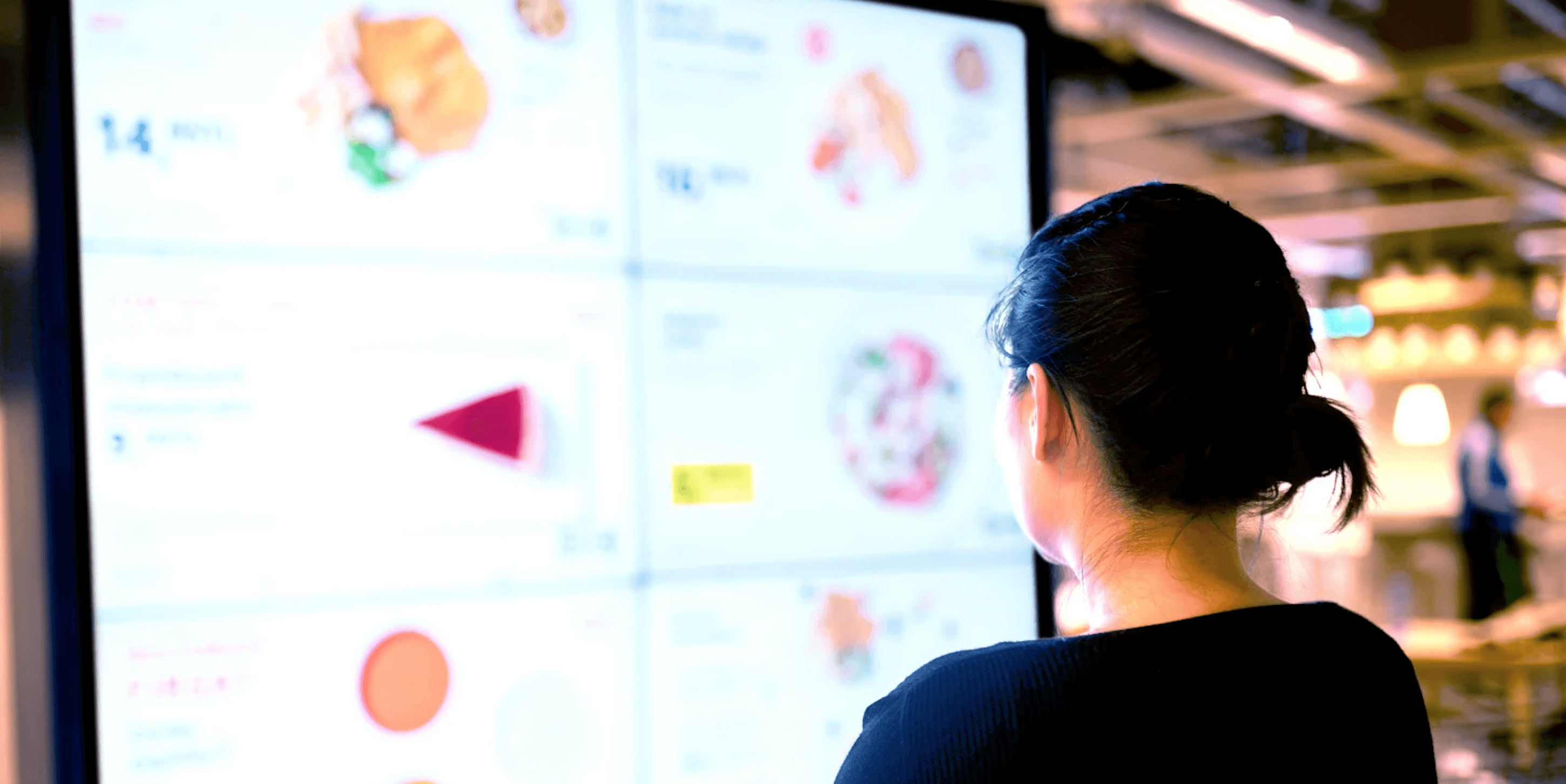
Digital menu boards are dramatically changing how food service businesses engage with their customers. Across venues, from dine-in restaurants and food trucks to drive-thrus, delis, and open-air dining spaces, businesses are investing in digital menu boards to showcase key information in a visually appealing, engaging way that’s easy to update.
These digital displays can support dynamic, real-time content such as promotions, advertisements, and informational messages, making them a versatile solution for modern food service environments.
The right digital menu boards serve several equally important purposes. These menus not only look good and effectively communicate with your audience – they can also greatly increase efficiency, and even help drive revenue. Let’s dig into essential tips and best practices for designing digital menu boards that will resonate with customers, reinforce your brand identity, and enhance the overall dining experience.
## What are Digital Menu Boards, and Why Do They Matter in Food Service?
Digital menu boards are electronic displays that can update in real time, showcasing menus and promotions. Businesses of all sizes are realizing both the cost and experience benefits of a digital solution as an alternative to static, printed menus.
The modern restaurant landscape demands agility, and digital menus rise to the occasion as consumers increasingly expect a technology-enabled dining experience:
- **QSR Market Dominance and Tech Focus:** Quick Service Restaurants (QSRs), which command approximately [50% of the U.S. foodservice market](https://www.mordorintelligence.com/industry-reports/quick-service-restaurants-market), are prioritizing digital transformation by implementing advanced technology like mobile ordering, self-service kiosks, and real-time tracking to streamline operations and enrich the customer experience. Digital menus ensure QSRs can keep up with the trend.
- **Franchise Expansion and Repeatability:** For restaurant franchises focused on national expansion, [technology is essential](https://www.forbes.com/sites/garyocchiogrosso/2025/04/16/restaurant-franchisingan-era-of-expansion-tech-and-consumer-focus/) for maintaining a successful, repeatable business concept across diverse locations. Digital menu boards ensure branding, menu selection, and pricing strategies are both consistent across the brand and adaptable to local market conditions.
## Beyond Menus: Enhancing the Customer Experience
Beyond displaying up-to-date information, these boards can enhance the customer experience through:
- High-quality visuals
- Instant updates
- Swift trend response
- Strategic campaigns
Choosing the right device is a crucial starting point for optimal performance and effective management. Digital menu software that powers the device is arguably more important, providing centralized control for managing menu updates, pricing, and nutritional information across multiple locations to ensure consistency and compliance.
### Driving Sales
Dynamic digital menu boards have the capacity to improve sales. Here’s how:
- Digital signage allows you to display specific menus (e.g., breakfast, lunch) at optimal times, ensuring customers see the most relevant options.
- Promoting new items and limited-time offers in real time creates a sense of urgency that encourages action.
- Integration with point-of-sale systems enables real-time updates on inventory and pricing, allowing for data-driven decisions to optimize menu offerings.
- [35% of new digital menu board deployments](https://www.businessresearchinsights.com/market-reports/hospitality-digital-signage-digital-menu-board-market-122628) are expected to integrate AI or machine learning features for dynamic content and upselling.
## Setting Up a Digital Signage Network
Digital menu boards can only operate within a connected network. As you consider purchasing (or upgrading) devices and software, keep in mind that a robust digital signage solution should be part of an integrated system – one designed to deliver dynamic content, engage audiences, and support your organization’s objectives.
### Essential Network Components
Digital signage networks usually center around these essential components:
- Digital signage displays
- A media player
- A CMS (content management system)
The CMS acts as the backbone of this system, empowering users to create, manage, and schedule digital signage content across multiple locations and devices. Look for user-friendly content management software that supports a wide range of file formats and operating systems for flexibility and compatibility as your business grows.
A key advantage of a modern digital signage platform is the ability to manage multiple displays from a single location. With a centralized CMS, businesses can easily publish content, schedule updates, and monitor performance across all screens. Centralized control is just one of several advantages of [digital signage vs. print signage](https://blog.rockbot.com/digital-signage-vs.-print-signage-which-is-best-for-franchises?hsLang=en).
## 6 Things to Consider When Designing a Digital Menu
A successful digital menu experience involves a number of key factors:
### 1. Clarity and Readability
Clarity and readability are paramount; they ensure customers can easily understand your offerings, leading to a better dining experience and quicker decision-making. Here’s how to achieve these crucial design elements:
- **Font Size and Type:** Use large, clear sans-serif fonts like Arial or Helvetica to ensure legibility from a distance.
- **Contrast and Colors:** Employ high-contrast aesthetics between the text and background (e.g., dark text on a light background) to enhance readability and comply with accessibility standards. Choose colors that reflect your brand but do not overshadow the text.
- Layout Simplicity: Maintain a clean, legible, and organized layout with logical categorization and ample spacing to prevent overcrowding. Use color-coded categories to visually separate menu sections and improve navigation
### 2. Effective Content Management
To stay ahead, prioritizing high-quality, effectively managed, dynamic content that balances text and visuals is paramount. Digital menu boards make it easy to create visually-appealing content that is also simple to update.
Key strategies for content management include:
| Content Management | Key Strategies |
| --- | --- |
| #### Balancing Text and Visuals | - Create a visual hierarchy to guide attention. - Use high-quality images and videos to complement text. - Ensure clarity with legible text and simple layouts. |
| #### Updating Content Regularly | - Automate seasonal updates and daily specials. - Schedule promotions to reflect limited-time offers. - Use customer feedback to adjust menu highlights. |
| #### Engaging Customers with Dynamic Content | - Use video content with smooth transitions to showcase the craftsmanship of food preparation or enticing dish details. - Leverage isolated motion to draw the eye to an important segment of the screen (i.e. coffee pouring in slow-motion or cheese stretching from a pizza). - Incorporate interactive elements like a social media feed or QR code for a more engaging experience. |
### 3\. Branded Design
Digital menu boards offer a unique opportunity to reinforce your brand’s message and aesthetic. Effective branding ensures a consistent and professional look that reinforces your business's identity.
To successfully incorporate brand elements, focus on:
- **Color Consistency:** Colors spark emotions and memories, which is effective for enhancing brand recall.
- **Logo Placement:** Ensure your logo is prominently placed on your digital menu boards.
- **Thematic Elements:** Align the theme of your digital menu boards with your overall brand theme. The design should reflect the essence of your brand.
The aesthetics of your digital menu boards should complement the interior design and ambiance of your physical locations. A holistic approach, similar to what is recommended generally for [digital signage in retail](https://blog.rockbot.com/digital-signage-retail?hsLang=en), enhances the overall customer experience and strengthens brand identity.
### 4. Location and Setting
Digital menu boards must be customized for their specific environment – whether that's an indoor restaurant, counter-service deli, or an outdoor drive-thru. In high-traffic areas, deploying multiple screens ensures your message reaches more customers and creates a greater visual impact. Design customization is key to reflecting your brand effectively across all locations.
Each setting presents unique challenges, from the need for high-contrast colors in a food truck to the requirement for weather-resistant technology in outdoor areas.
### 5. Technical Matters
Selecting reliable digital menu software is crucial for smooth operation, easy updates, and real-time management across multiple locations.
Some 40% of small hospitality businesses cite [high upfront installation costs](https://www.businessresearchinsights.com/market-reports/hospitality-digital-signage-digital-menu-board-market-122628) as adoption barriers. However, when compared to the cost of alternative solutions like print and considered across the lifespan of the hardware, upfront investments often result in greater value over time.
Smart planning and the right selection (a scalable solution) are crucial to maximizing ROI.
#### Hardware and Software Selection:
- **Scalability and Compatibility:** Choose scalable, compatible systems that grow with your organization.
- **Vendor Support:** Prioritize robust customer support and warranties.
- **Integrated Platform:** Select a vendor that can partner with your current and future media requirements.
#### Screen Specifications:
- **Size:** Match the screen size to the space and anticipated viewing distance (common sizes range from 32–55 inches or larger). TV screens are often repurposed as a flexible and cost-effective display option.
- **Resolution:** Opt for high-resolution screens (Full HD or 4K) to ensure crisp and clear images and text.
- **Orientation:** Determine whether the boards will be installed in portrait or landscape orientation based on the layout and content.
#### Reliability and Connectivity:
- **Reliability:** Choose commercial-grade displays designed for continuous operation, with features like rugged construction and built-in cooling systems to prevent overheating.
- **Connectivity:** Ensure the screens have sufficient input ports (HDMI, DisplayPort, etc.) to connect to media players or CMS.
#### Interactive Technologies and Online Systems:
- For improved self-service, choose touch displays with excellent sensitivity and an anti-glare coating.
- Use QR/NFC to link physical menus to digital content like customer loyalty programs.
- Integrate with popular apps for a seamless ordering experience, streamlined operations, and data insights into customer preferences.
### 6. Measurement and Compliance
To gauge the effectiveness of your menu boards and maintain a professional presence, it’s important to track results. [Digital signage KPIs](https://blog.rockbot.com/digital-signage-kpis-choosing-the-right-metrics-to-calculate-impact?hsLang=en) can provide an excellent guidepost for digital menu board strategy and measuring success. Compliance is also key.
Things to consider include:
- **Content Compliance:** Review content for ad standards compliance and monitor regulations to ensure the content is legal and meets advertising standards.
- **Accessibility and ADA:** Implement ADA-compliant design and use readable fonts/colors.
- **Performance Metrics:** Track engagement and conversion rates and measure content update impacts. Also, keep track of how much money digital menu boards help save by reducing printing costs and increasing profitability through upselling.
- **Feedback and Sales Data:** Collect customer feedback and analyze sales data to refine menu board design.
## Your Partner for Innovative Digital Menu Boards
Digital menu boards should provide a straightforward, effective solution for modern businesses without too much complexity.
If you’re looking to transform your space with cutting-edge digital signage, Rockbot has you covered. Our digital signage solution is customizable, user-friendly, and designed to elevate your customer experience.
Ready to explore digital signage for your business? [Get in touch today](https://rockbot.com/contact-sales).
## Frequently Asked Questions
What Are the Typical Hardware Components for a Digital Menu Board System?
The typical hardware components for a digital menu board system often include the digital signage displays and media player. The system's backbone is the CMS (content management system), which empowers users to create, manage, and schedule digital signage content across multiple locations and devices.
Choosing the right device is crucial for optimal performance, and screens should have high-resolution (Full HD or 4K) to ensure crisp and clear images and text.
What Are the Advantages of Using Digital Menu Boards?
The advantages of using digital menu boards include providing a visually appealing, engaging experience that’s easy to update and will enhance the overall dining experience. These menus offer agility by allowing instant updates and swift trend response, ensuring menus are always current and relevant.
They can also drive sales by strategically showcasing high-margin menu items, special offers, and promotions – they also help save money by reducing printing costs.
How Can Digital Menu Boards Integrate With POS Systems for Real-Time Updates?
Digital menu boards integrate with POS systems to allow for real-time updates on information like pricing, new menu items, or limited-time promotions. This integration with point-of-sale systems enables real-time updates on inventory and pricing, allowing for data-driven decisions to optimize menu offerings.
This flexibility ensures your menus are always current and relevant, which is a key advantage over static signage.
What Are the Options for Outdoor Digital Menu Boards?
The options for outdoor digital menu boards must be customized for their specific environment, whether for drive-thrus or open-air dining spaces. These settings require specific features like weather-resistant technology and sunlight-readable screens.
It is essential to opt for high-brightness and anti-glare screens for readability in sunlight and to choose screens with automatic brightness adjustment for changing light conditions.
What Visual Content Enhances Digital Menu Boards?
Visual content that enhances digital menu boards includes high-quality visuals and high-quality images and videos to complement text, all managed as part of prioritizing high-quality, effectively managed, dynamic content. This dynamic content can include video content with smooth transitions to showcase food preparation or dish details.
Furthermore, using isolated motion (like coffee pouring in slow-motion or cheese stretching from a pizza) is highly effective to draw the eye to an important screen segment.
How Can Restaurant Chains Manage and Update Digital Menus Across Multiple Locations?
Restaurant chains can manage and update digital menus across multiple locations because digital menu software also provides centralized control for managing menu updates, pricing, and nutritional information across multiple locations, ensuring consistency and compliance.
A centralized CMS provides control for consistent messaging and efficient content management, which allows businesses to easily publish content, schedule updates, and monitor performance across all screens. This remote content updates capability is essential for achieving business goals and maintaining a competitive edge.

Rachel Mindell, Strategic Content Marketing Manager
Author
Rachel Mindell leads content ideation and execution across channels at Rockbot, with a focus on creating lasting value for clients and prospects via commercial in-location media. Based in Tucson, Arizona, she's also a singer, book nerd, and fitness enthusiast who loves getting out in nature.
## Sign up for the newsletter
- Products
- [Music](https://rockbot.com/music-for-business)
- [Audio Messaging](https://rockbot.com/audio-messaging)
- [Rockbot Request](https://rockbot.com/request)
- [Digital Signage](https://rockbot.com/digital-signage-for-business)
- [Rockbot TV](https://rockbot.com/tv-for-business)
- [Music Videos](https://rockbot.com/music-videos)
- [Retail Media](https://rockbot.com/retail-media)
- [Advertising](https://rockbot.com/advertising)
- [Platform](https://rockbot.com/platform)
- [Pricing](https://rockbot.com/pricing)
- Hardware
- [Media Players & Devices](https://rockbot.com/hardware)
- [Rockbot Smart Amp](https://rockbot.com/hardware/smart-amp)
- [Rockbot Media Player](https://rockbot.com/hardware/media-player)
- [Amazon Signage Stick](https://rockbot.com/hardware/amazon-signage-stick)
- Industries
- [Retail](https://rockbot.com/retail)
- [Restaurants](https://rockbot.com/restaurants)
- [Fitness](https://rockbot.com/fitness)
- [Automotive](https://rockbot.com/automotive)
- [Bars](https://rockbot.com/bars)
- [Casinos](https://rockbot.com/casinos)
- [Corporate Offices](https://rockbot.com/corporate-offices)
- [Education](https://rockbot.com/education)
- [Entertainment Venues](https://rockbot.com/entertainment-venues)
- [Financial Services](https://rockbot.com/financial-services)
- [Grocery](https://rockbot.com/grocery)
- [Healthcare](https://rockbot.com/healthcare)
- [Hospitality](https://rockbot.com/hospitality)
- [Property Management](https://rockbot.com/property-management)
- [QSR](https://rockbot.com/qsr)
- [Salon & Spa](https://rockbot.com/salon-and-spa)
- Resources
- [Getting Started](https://support.rockbot.com/hc/en-us/categories/360000775171-Getting-Started)
- [Hardware Setup](https://rockbot.com/setup)
- [Quick Start Guides](https://support.rockbot.com/hc/en-us/sections/7705718076571)
- [Developer Portal](https://developer.rockbot.com/)
- [Request App Promo Toolkit](https://rockbot.com/request-promo-assets)
- [Help & Support](https://support.rockbot.com/hc/en-us)
- [Blog](https://blog.rockbot.com)
- [Customer Stories](https://rockbot.com/customer-stories)
- [Rockbot News](https://blog.rockbot.com/pr)
- Apps
- [Remote App](https://rockbot.com/remote-app)
- [Request App](https://rockbot.com/request-app)
- Company
- [About](https://rockbot.com/about-us)
- [Careers](https://rockbot.com/careers)
- [Contact](https://rockbot.com/contact)
- Products
- [Music](https://rockbot.com/music-for-business)
- [Audio Messaging](https://rockbot.com/audio-messaging)
- [Rockbot Request](https://rockbot.com/request)
- [Digital Signage](https://rockbot.com/digital-signage-for-business)
- [Rockbot TV](https://rockbot.com/tv-for-business)
- [Music Videos](https://rockbot.com/music-videos)
- [Retail Media](https://rockbot.com/retail-media)
- [Advertising](https://rockbot.com/advertising)
- [Platform](https://rockbot.com/platform)
- [Pricing](https://rockbot.com/pricing)
- Hardware
- [Media Players & Devices](https://rockbot.com/hardware)
- [Rockbot Smart Amp](https://rockbot.com/hardware/smart-amp)
- [Rockbot Media Player](https://rockbot.com/hardware/media-player)
- [Amazon Signage Stick](https://rockbot.com/hardware/amazon-signage-stick)
- Industries
- [Retail](https://rockbot.com/retail)
- [Restaurants](https://rockbot.com/restaurants)
- [Fitness](https://rockbot.com/fitness)
- [Automotive](https://rockbot.com/automotive)
- [Bars](https://rockbot.com/bars)
- [Casinos](https://rockbot.com/casinos)
- [Corporate Offices](https://rockbot.com/corporate-offices)
- [Education](https://rockbot.com/education)
- [Entertainment Venues](https://rockbot.com/entertainment-venues)
- [Financial Services](https://rockbot.com/financial-services)
- [Grocery](https://rockbot.com/grocery)
- [Healthcare](https://rockbot.com/healthcare)
- [Hospitality](https://rockbot.com/hospitality)
- [Property Management](https://rockbot.com/property-management)
- [QSR](https://rockbot.com/qsr)
- [Salon & Spa](https://rockbot.com/salon-and-spa)
- Resources
- [Getting Started](https://support.rockbot.com/hc/en-us/categories/360000775171-Getting-Started)
- [Hardware Setup](https://rockbot.com/setup)
- [Quick Start Guides](https://support.rockbot.com/hc/en-us/sections/7705718076571)
- [Developer Portal](https://developer.rockbot.com/)
- [Request App Promo Toolkit](https://rockbot.com/request-promo-assets)
- [Help & Support](https://support.rockbot.com/hc/en-us)
- [Blog](https://blog.rockbot.com)
- [Customer Stories](https://rockbot.com/customer-stories)
- [Rockbot News](https://blog.rockbot.com/pr)
- Apps
- [Remote App](https://rockbot.com/remote-app)
- [Request App](https://rockbot.com/request-app)
- Company
- [About](https://rockbot.com/about-us)
- [Careers](https://rockbot.com/careers)
- [Contact](https://rockbot.com/contact)
 2026 Rockbot, Inc.
- [Terms](https://rockbot.com/terms)
- [Privacy](https://rockbot.com/privacy)
- [Licensing](https://rockbot.com/licensing)
-
-
-
-
-
```json
{
"@context" : "https://schema.org",
"@type" : "BlogPosting",
"author" : {
"@type" : "Person",
"name" : "Rachel Mindell, Strategic Content Marketing Manager",
"url" : "https://blog.rockbot.com/author/rachel-mindell-1"
},
"dateModified" : "2026-07-17T22:28:02.781Z",
"datePublished" : "2024-05-30T10:00:00.000Z",
"headline" : "Tips & Best Practices for Effective Digital Menu Boards | Rockbot",
"image" : [ "https://blog.rockbot.com/hubfs/Screenshot%202025-12-12%20at%2010.50.21%20AM.png" ],
"mainEntityOfPage" : {
"@id" : "https://blog.rockbot.com/best-practices-digital-menu-boards",
"@type" : "WebPage"
},
"publisher" : {
"@type" : "Organization",
"logo" : {
"@type" : "ImageObject",
"url" : "https://blog.rockbot.com/hubfs/General%20Email%20Header.png"
},
"name" : "Rockbot"
}
}
```